Understanding Dan Pink’s "Motivation 2.0" for Product Designers

by Jon Jensen, Product Designer
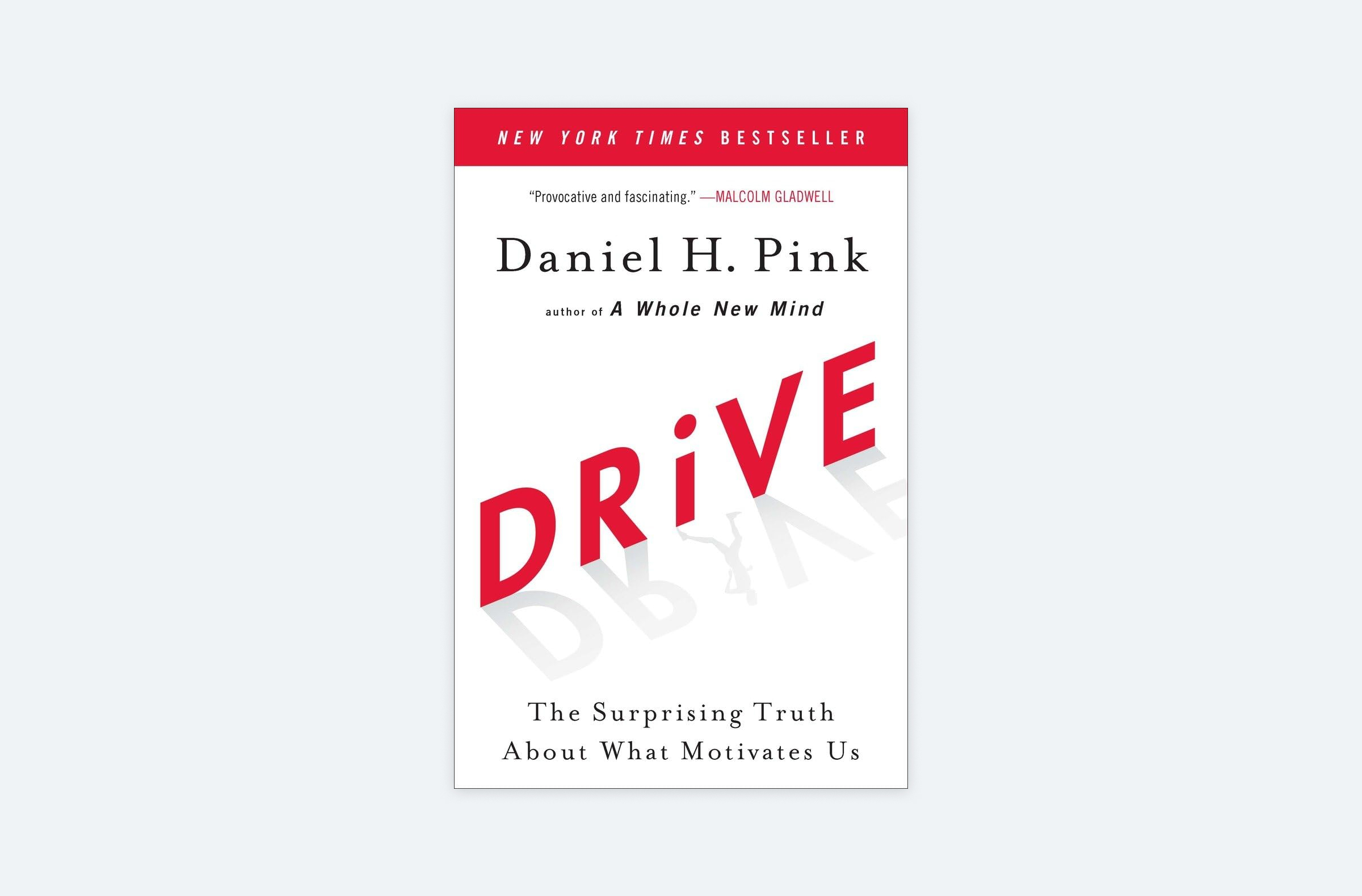
Dan Pink’s Drive*: The Surprising Truth About What Motivates Us presents a revolutionary framework for fostering motivation in the modern workplace, known as "Motivation 2.0." Grounded in three core principles—Autonomy, Mastery, and Purpose—this framework aligns particularly well with the needs and aspirations of Product Designers. Here's why each of these principles resonates deeply within the field of Product Design and how embracing them can unlock creativity and innovation.
Autonomy: The Freedom to Create
Definition: Autonomy refers to the ability to self-direct work, deciding how to tackle challenges and approach tasks.
Why It’s Important for Product Designers: Product Design thrives on creativity and problem-solving, both of which flourish when designers have the freedom to explore and experiment. Rigid processes and micromanagement can stifle the ingenuity required to craft intuitive and delightful user experiences.
Practical Application:
-
Allow designers to determine their own workflows, tools, and methodologies for approaching design challenges.
-
Provide autonomy in decision-making for the user interface, user research, and prototyping, while ensuring alignment with broader business goals.
-
Introduce design sprints or "sandbox" time for experimentation, enabling team members to explore innovative solutions without immediate pressure.
By fostering autonomy, Product Designers feel trusted and empowered to take ownership of their work, which enhances both their satisfaction and the quality of their designs.
Top tip
Instead of saying, “Design the new dashboard using a card layout and blue accents,” frame it as: “We need a dashboard that helps users quickly identify key metrics at a glance. Aim for a design that feels modern and is accessible.” This way, designers have the freedom to explore and present solutions while still delivering on clear expectations.
Mastery: The Drive to Excel
Definition: Mastery is the intrinsic desire to get better at something that matters, continuously improving one’s skills and understanding.
Why It’s Important for Product Designers: The field of Product Design evolves rapidly, with new tools, frameworks, and user expectations emerging constantly. Designers who pursue mastery stay ahead of the curve, contributing cutting-edge solutions that benefit users and businesses alike.
Practical Application:
-
Encourage ongoing learning through workshops, courses, and conferences focused on design trends, usability testing, or new software.
-
Provide opportunities for mentorship, peer reviews, and feedback sessions to refine skills and gain new perspectives.
-
Establish pathways for career growth, such as specialized roles in interaction design, accessibility, or motion design, to inspire long-term commitment to the craft.
A workplace that supports mastery enables Product Designers to feel challenged and valued, fostering an environment of excellence and innovation.

3. Purpose: The Reason to Care
Definition: Purpose is the sense that one’s work contributes to something larger than themselves.
Why It’s Important for Product Designers: Designers are uniquely positioned to solve problems that directly impact users’ lives. Whether crafting tools for accessibility, simplifying complex workflows, or designing for social good, a clear sense of purpose motivates Product Designers to create meaningful, impactful solutions.
Practical Application:
-
Clearly communicate the "why" behind each project, linking design efforts to user needs, company goals, and societal impact.
-
Showcase stories of users who have benefited from the team’s work, creating a tangible connection between design and its impact.
-
Align team goals with broader company values, such as sustainability, inclusivity, or innovation, to inspire a deeper connection to the mission.
When Product Designers see how their work improves lives, they’re inspired to push boundaries and deliver their best.