AI in 2025: You're Still the Expert

by Jon Jensen, Product Designer
Let's start with a buzzword you've probably heard: AI hallucination.
What does it mean when AI hallucinates? It means the AI outputs something that sounds plausible, but is false, misleading, or entirely made up. This happens because AI models like GPT don't "know" anything in the way humans do. They work by identifying statistical patterns in vast amounts of training data and then using those patterns to predict what comes next in a sequence of text.
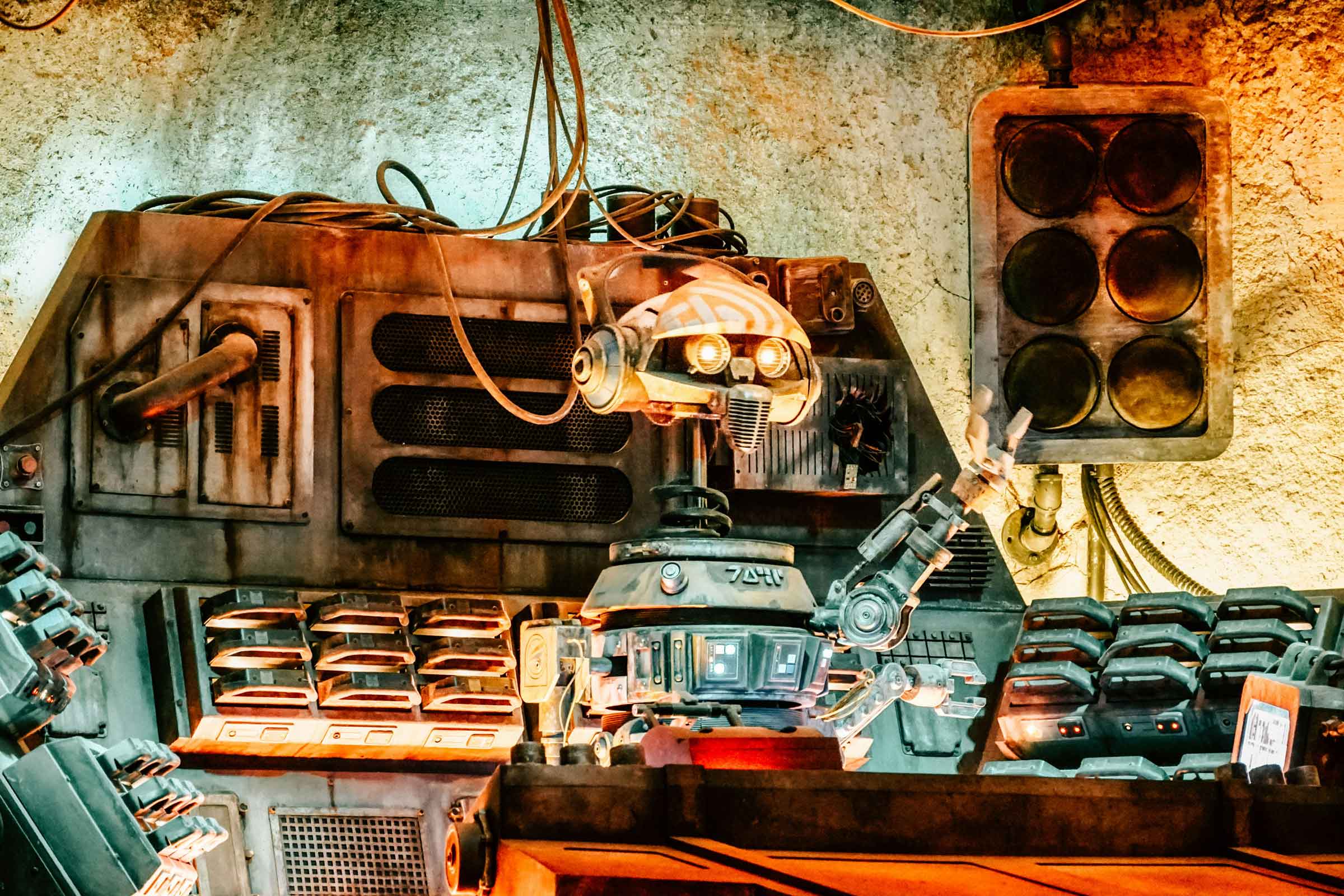
Even though large language models can now sometimes offer explanations for their outputs—using techniques like retrieval-augmented generation (RAG) or chain-of-thought prompting—these aren't the same as introspective reasoning. Unlike humans, AI still doesn't reflect on why it said what it said. It can simulate a reasoning path, but it doesn't understand that path in any conscious or grounded way.
And because of that, AI can still confidently fabricate facts, misinterpret context, or generate code and designs that "look" correct but contain serious errors or risks. In other words: sometimes AI just makes stuff up.
I've spoken to developers who feel anxious about AI generating code. Similarly, Designers worry that tools will auto-generate UI mockups for stakeholders and leave them out of the process entirely. The fear is understandable—but let's reframe it.
Here's the reality:
- Who's best equipped to catch hallucinated code that introduces bugs, security vulnerabilities, or ballooning tech debt? A seasoned developer.
- Who can identify poor usability decisions in a design AI calls "user-friendly," but that actually harms conversions, frustrates users, or misrepresents the brand? An experienced designer. (Shoutout to Tragic Design by Jonathan Shariat and Cynthia Savard Saucier.)
- Who's qualified to recognize bad medical advice that could endanger a patient's life? A licensed doctor.
AI doesn't eliminate the need for expertise. It makes expertise more important. The risk isn't that AI will replace you—it's that someone less experienced might use AI without your judgment, oversight, or ethics, and do real harm.
The Takeaway
You don't make AI obsolete. It doesn't make you obsolete either. You make AI better. Safer. More effective. More reliable.
So instead of asking "Will AI replace my job?", ask: How can I use AI to be even better at what I already do well?
You are not just a user of tools— you're a guardian of quality. Don't abdicate that responsibility to automation, especially when the consequences of a hallucination are real.